Downsizing
Condo, townhome, or single-level home: which smaller home fits a downsizing move?
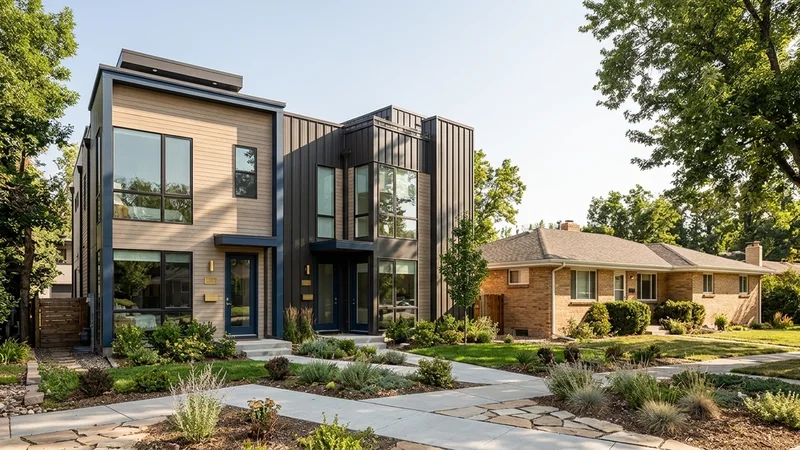
Smaller homes solve different problems once you are trading down in space. These questions help you compare upkeep, fees, and layout fairly.
On this page
Smaller can mean three different things
For many people downsizing in Denver metro, the choice is not just how much smaller, but which kind of smaller. A condo, a townhome, and a single-level house can all be good fits.
They differ in upkeep, shared rules, stairs, and monthly cost. Comparing them on the same questions keeps the decision grounded instead of driven by photos. Each type suits a different way of living and a different appetite for maintenance. There is no universally right answer, only the right answer for how you want to live next.
This article gives you those questions, plus a simple table you can use as a starting point when you tour.
What a condo usually means
A condo usually means you own your unit, and an association manages the building and shared areas. That can mean much less exterior upkeep for you.
It also means a monthly HOA fee and a set of rules that apply to everyone. Before you offer, you will want to know what the fee covers and what the rules allow. Some fees cover water, trash, insurance on the building, or amenities. Others cover much less. Also check how you get to the unit day to day: elevator, stairs, parking, and storage.
Ask to see the HOA documents, budget, and any meeting minutes, and review them with the right professionals. They tell you far more about the building than the listing does.
What a townhome or patio home means
A townhome often sits between a condo and a house, with shared walls and sometimes more stairs than buyers expect. A patio home is a looser term, often a smaller home with a small yard.
Many of these communities have an HOA, but what it covers varies widely. Some handle roofs, exteriors, and snow removal; others handle only common areas. Read what the association is responsible for before you compare two homes, because that list changes what you will maintain and pay for yourself over time.
Because the labels mean different things from one community to the next, ask exactly what you would own and what the association maintains on each home you see.
What a single-level house usually means
A ranch-style or other single-level house can remove stairs from daily life while keeping a private yard and more control. It also keeps more responsibility with you. Before you commit to one, think about these questions honestly, because they decide whether the house actually feels smaller to own:
- Your comfort with roof, furnace, and yard upkeep
- How much you want to budget for repairs each year
- Whether an HOA or metro district applies to the area
- Whether the main living areas are truly on one level
None of these are reasons to rule a house out. They are reasons to plan for it honestly.
A quick side-by-side to start from
Use this table as a starting point, then confirm the details for each specific property:
| Condo | Single-level | |
|---|---|---|
| Exterior upkeep | Often handled by the HOA | Usually your responsibility |
| Monthly fees | HOA fee to review | Sometimes an HOA or metro district |
| Daily stairs | Check access and elevator | Fewer, but check the basement |
| Outdoor space | Often limited or shared | Usually private |
| Documents to review | HOA budget and minutes | Inspection and any HOA rules |
Townhomes and patio homes can land anywhere between those two columns, which is why their documents matter so much. Always compare the actual documents rather than general expectations, since communities that look alike can work very differently on paper.
The cost questions that change the picture
A smaller home does not always mean a smaller monthly cost. HOA fees, metro district charges, insurance, and utilities can close the gap between property types faster than you expect. Metro districts are common in some newer Colorado communities, and their costs typically appear on the property tax bill rather than as a separate fee.
Ask your lender, or your financial or tax professional if you are paying cash, to compare the full monthly cost for two or three real listings, not just the prices. Once you see the true monthly cost of each option side by side, the right type of smaller home for your next chapter is often much easier to choose.
What to bring to every showing
Take the same short list to every home, whatever the type:
- What the monthly cost includes, all in
- What you would maintain yourself
- How many stairs you would use each day
- Whether your key furniture will fit
Juan Munoz, Realtor, works with clients across Denver, Westminster, Thornton, Arvada, Lakewood, and Broomfield. Bring your list, and he can help you compare the smaller homes actually available.
This article is educational and reflects general, publicly available information. It is not legal, tax, lending, or inspection advice. Confirm financing, HOA and metro district details, contract terms, and current listings with the appropriate licensed professionals and official sources.

Written by